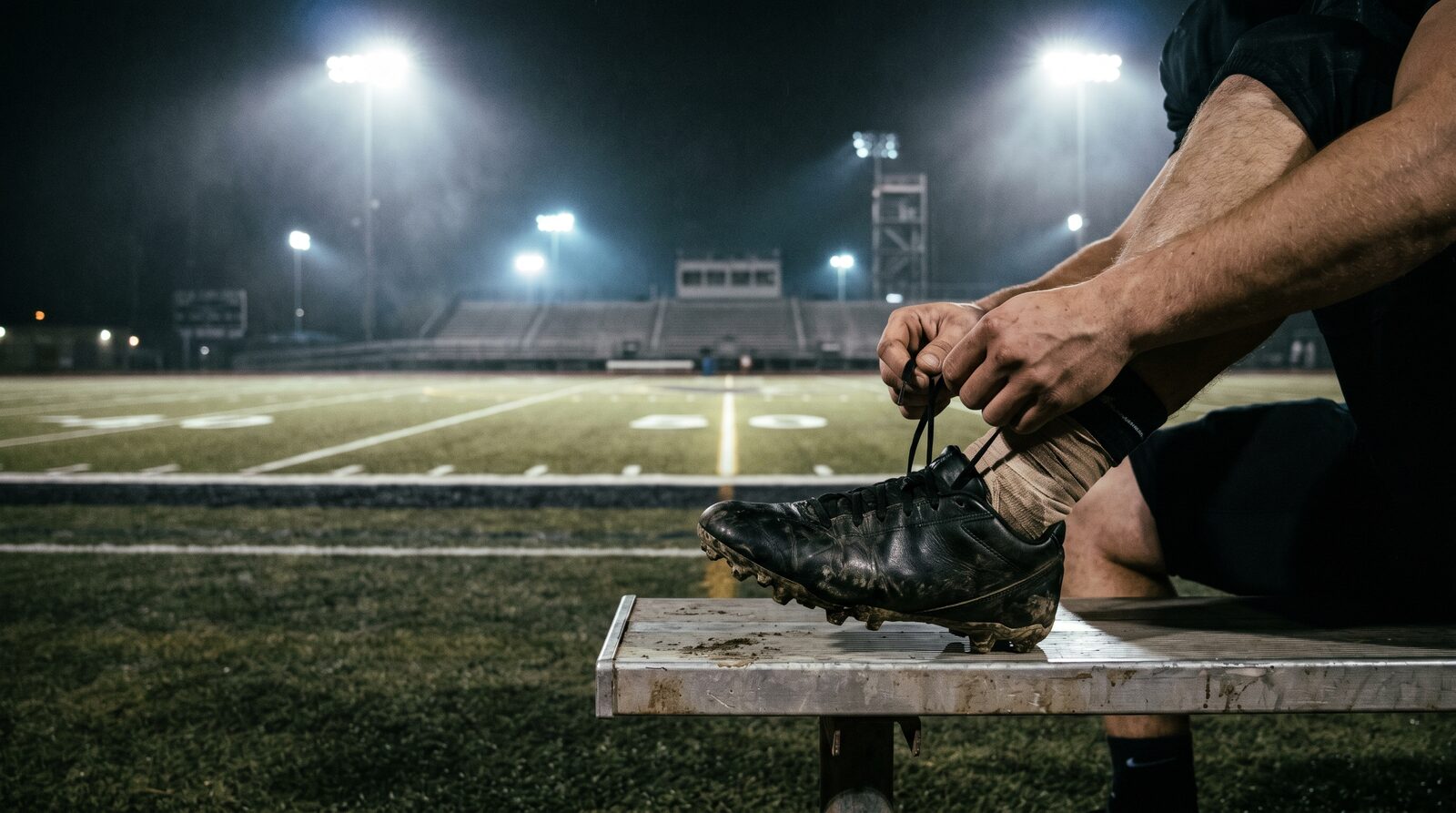
The comeback is where most second injuries are made. Not on the field, not in the weight room — in the gap between "it stopped hurting" and "it's actually ready." Those are two different things, and treating them as the same is how a three-week setback turns into a three-month one.
Pain-free isn't the same as ready
Pain leaves before capacity comes back. A healed tissue can feel fine at rest and still fail under load, speed, or fatigue — exactly the conditions your sport lives in. "It doesn't hurt anymore" tells you the alarm stopped. It doesn't tell you the tissue can take a cut at full speed in the fourth quarter.
That's the trap. You feel good, you go back to what you were doing before, and the first hard rep finds the weak link you never rebuilt.
Hurt vs. harm
One of the most useful distinctions in any comeback: some discomfort is part of rebuilding (hurt), and some is your body telling you to stop (harm). Learning the difference is most of the battle.
- Probably hurt: mild soreness that warms up and fades, stays in the muscle, and settles by the next day.
- Probably harm: sharp or pinpoint pain, swelling that returns, something that gets worse as you go instead of better, or pain that lingers into the next day.
When you're not sure, that uncertainty is the answer — back off and get eyes on it. Guessing is what costs people the season.
How a return-to-play plan is actually built
A real return isn't "rest, then play." It's a staircase — each step loads the tissue a little more and proves it can handle the next one before you climb:
- Calm it down. Reduce the irritation and restore basic range of motion, often with hands-on work alongside the strength side.
- Rebuild capacity. Targeted strength for the injured area and everything that supports it — usually the part that got skipped the first time.
- Add speed and force. Controlled exposure to the cutting, landing, and sprinting your sport demands, before anyone asks you to do it at full tilt.
- Test under fatigue. The tissue has to hold up tired, not just fresh — because that's when injuries happen.
Why we pair rehab with bodywork
Strength rebuilds the tissue; hands-on work keeps the area moving and calm while you do it. Run them together and the comeback tends to be shorter and stick better than doing either alone. That's the whole idea behind how we handle return-to-play — targeted strength and sports massage on the same plan. Late in a comeback, retesting your speed under standardized conditions is how you confirm the tissue holds up at full tilt and not just at rest, more on that in speed benchmarks for high school athletes.
If you're coming back from something and not sure where the line is, don't guess at it. Tell us what happened and we'll build the staircase with you.